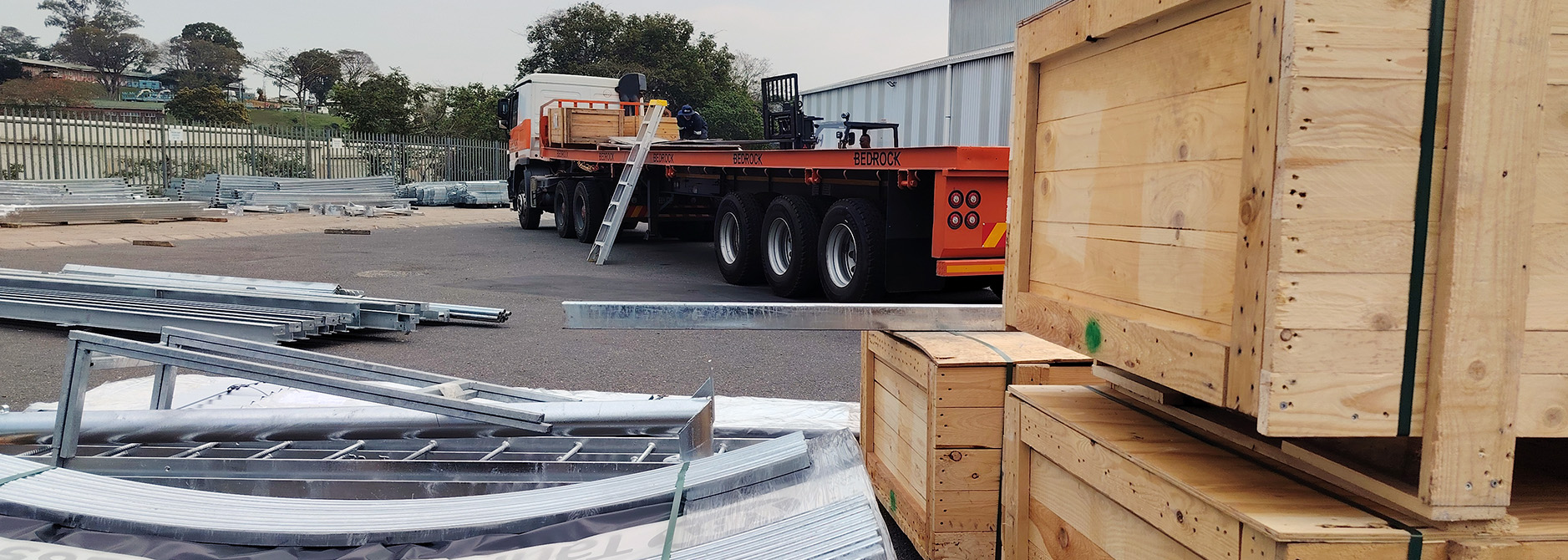

A factory inspection is most useful when everyone knows in advance what is being inspected, when it must happen, who needs to be involved and what evidence is required before the work moves on. Without that structure, inspection can become reactive: the client arrives after a critical stage is complete, the manufacturer waits unnecessarily for approval, or the project discovers that required records were never captured.
Hold points, witness points and release points are used to prevent that uncertainty. They create agreed inspection gates within the manufacturing process and make quality responsibilities visible to the manufacturer, client, consultant and other project stakeholders.
The terminology can vary between organisations and contracts, so the project-specific Inspection and Test Plan (ITP) or quality plan should define exactly how each point will operate. The principle, however, is consistent: critical work should not disappear into the next stage without the required verification and evidence.
An Inspection and Test Plan is a practical map of the checks that apply to a manufacturing or installation process. It identifies activities, acceptance criteria, records and the parties responsible for inspection, witnessing or release.
For a modular water tank, an ITP or quality control plan may cover selected incoming materials, manufacturing operations, dimensions, project-specific fittings, coating or finish requirements where applicable, packing, documentation review and final release. Site activities can have separate critical quality inspection and commissioning plans.
A useful ITP is risk-based and project-specific. Listing every routine production action as a formal client hold point can create unnecessary delay, while omitting critical verification can leave the project without evidence at the stage when it matters most.
A hold point is a defined stage beyond which the work should not proceed until the required inspection, review or authorisation has been completed. It is used where proceeding would make later verification difficult, expensive or impossible, or where the contractual importance of the check justifies formal release.
For example, a project may require a hold point before a critical manufacturing stage is closed out or before finished project components are released for dispatch. The exact point depends on the agreed ITP and project risks.
The value of a hold point is control, but it also creates a programme obligation. The responsible parties need adequate notice, clear acceptance criteria and an agreed method of release. Poorly planned hold points can stop production for administrative reasons rather than quality reasons.
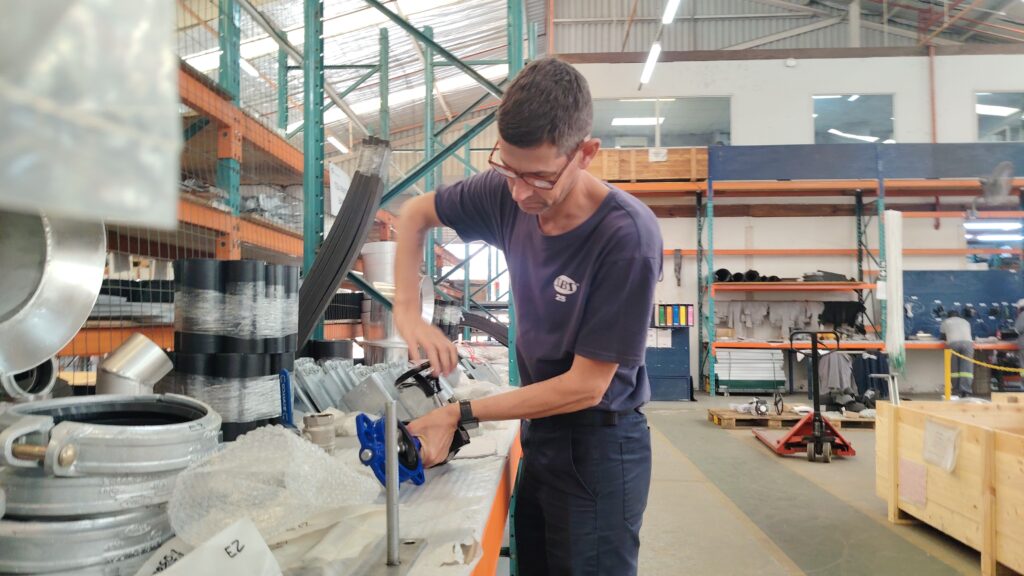
A witness point gives a nominated client, consultant or inspector the opportunity to observe an inspection or manufacturing activity. In many project systems, work may proceed if the witness party has been given the required notice and elects not to attend, but the exact rule must be stated in the agreed ITP.
Witness points can be useful when the client wants direct visibility of key processes without placing a formal stop on every activity. They also support transparency by allowing quality evidence to be seen at source rather than only reviewed after completion.
Remote witnessing, photographs or digital records may sometimes support the process, but they should not be assumed as substitutes where the contract requires physical attendance or a particular inspection method.
Release is the formal confirmation that the required checks for a defined stage have been completed and the item may proceed. Depending on the project, release may apply to a component moving into the next operation, a batch being packed, or the finished project being cleared for dispatch.
Release should be based on objective evidence. That can include completed inspection records, acceptable measurements, closed non-conformances, required certificates, approved documentation and any client or consultant sign-off specified in the ITP.
This creates an important discipline: manufacturing completion and quality release are not automatically the same event.
The most effective inspection programme is agreed before the factory programme is under way. The project team should confirm the applicable specifications, critical characteristics, inspection stages, acceptance criteria, documentation requirements, notice periods and authorised signatories.
Client and consultant access to the factory should also be planned. A request to witness an operation after it has already occurred is difficult to resolve and can lead to re-inspection or unnecessary disruption. Early agreement allows manufacturing and inspection to work together rather than compete for programme time.
Where independent third-party inspection is required, its scope should also be defined. Third-party involvement does not remove the manufacturer’s responsibility for its own QC; it adds another verification layer where the project requires it.
A known non-conformance should never be hidden by the pressure to meet a dispatch date. If an item does not meet the requirement, the quality system needs to identify the issue, control the affected output, determine the authorised disposition and verify the outcome before release.
Not every deviation has the same consequence. Some items may be corrected and re-inspected. Others may need replacement. In limited circumstances a project may permit an authorised concession or technical acceptance, but that decision must sit with the appropriate authority and be documented rather than informally assumed.
Release therefore provides a valuable final question: are all issues affecting this stage genuinely closed, or has the project merely run out of time?
Before modular tank components are dispatched, the manufacturer should be able to demonstrate that the relevant manufacturing and QC activities are complete and that the project is in the correct release status. The exact checklist depends on the tank and project, but the process commonly considers:
This is the point where QC, documentation and logistics converge. A technically correct component that is incorrectly packed, unidentified or released with open quality actions can still create avoidable site risk.
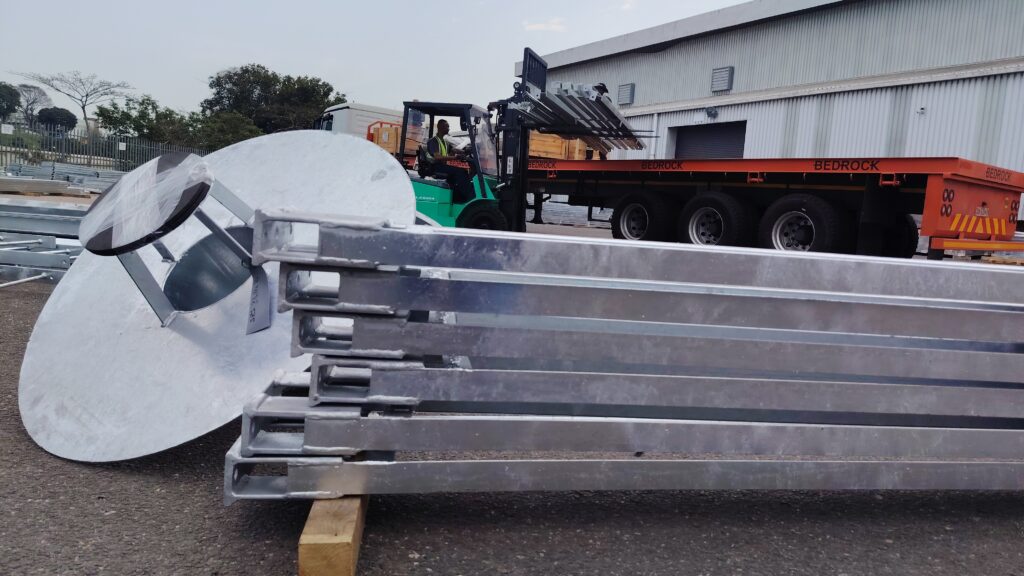
Quality records provide the audit trail after the physical inspection is over. A project data book can consolidate the records required by the contract, such as approved drawings, material certificates, inspection evidence, release documentation and other agreed manufacturing records.
The contents should be defined by the project rather than assumed to be universal. A municipal project, mining project and commercial development may have different documentation expectations. The important point is to agree those expectations early enough for the required records to be created as the work happens.
Reconstructing quality evidence after dispatch is much harder than capturing it at the correct stage.
SBS Tanks uses controlled manufacturing and QC processes within its ISO 9001 quality management system. Project-specific inspection, client witnessing and documentation requirements can be incorporated into the agreed project quality approach before production.
Where a client or consultant requires factory involvement, defining the inspection points, notice periods and release evidence early allows the factory programme to accommodate that participation without weakening the manufacturing sequence.
The objective is simple: when components leave the factory, the project should have both the physical product and the evidence required to show that the agreed quality gates were completed.
Hold points, witness points and release points are not administrative obstacles. Used correctly, they protect critical stages of work, give clients meaningful visibility and establish objective evidence before the project moves forward.
The strongest inspection plan is proportionate to risk. It does not attempt to stop production at every routine activity, but it does identify the points where later verification would be difficult or where client assurance is particularly important.
For manufactured water tanks, agreeing those gates before production starts helps align quality, programme and documentation – and reduces the risk of discovering after dispatch that a required inspection opportunity has already passed.
Contact SBS Tanks to discuss your project requirements and confirm the quality, inspection, documentation and installation approach appropriate to your project.
SBS Tanks® is Africa’s leading manufacturer and supplier of modular steel panel water storage tanks fitted with internal liquid storage liners. With offices in Durban, Johannesburg and Cape Town, and ISO 9001 and ISO 45001 accreditation, SBS Tanks services clients across South Africa and the SADC region with engineered water storage tanks for municipal, mining, fire protection, commercial, industrial, agricultural and water conservation applications.
Hold points, witness points and release points provide structured inspection gates that help ensure water tank components meet agreed quality requirements before moving to the next stage or leaving the factory.
A project-specific Inspection and Test Plan (ITP) defines what needs to be inspected, when inspections occur, who is involved, the acceptance criteria and what evidence must be recorded. Hold points require work to stop until the required approval is completed, while witness points give clients or consultants the opportunity to observe key activities. Release points confirm that required inspections, documentation and non-conformances have been addressed before components proceed.
For modular water tanks, effective inspection planning connects quality, documentation and logistics. Agreeing inspection requirements before manufacturing begins helps prevent programme delays, missed inspection opportunities and incomplete records.
The article explains how SBS Tanks applies controlled manufacturing and QC processes within its ISO 9001 quality management system, helping ensure that when tank components leave the factory, both the physical product and the required quality evidence are ready for the next stage.
A hold point is an agreed stage where work should not proceed until the required inspection, review or authorisation has been completed. The project ITP should define the release requirement.
A hold point stops progression until release is obtained. A witness point gives a nominated party the opportunity to observe an activity. Whether work may proceed if the witness does not attend depends on the agreed ITP.
Yes, where this is agreed as part of the project. Factory inspections and witness activities should be planned before manufacture so the correct stages, notice periods and evidence are clear.
It should not be released contrary to the agreed quality requirements. Any deviation must be controlled and resolved through an authorised process before release, including documented concession only where the project permits it.
Contents vary by project and may include approved drawings, certificates, inspection records, release documentation and other agreed quality records. The required index should be defined early in the project.
© SBS Holdings 2026