

A water tank can be standing, roofed and connected and still not be ready for operational handover. Physical completion is an important milestone, but project quality is only closed when the final installation has been inspected, outstanding issues have been resolved, required testing or filling has been completed, documentation is in order and the client has a clear basis for acceptance.
This distinction matters because the final days of a project are often under the greatest programme pressure. Construction teams want to demobilise, operations teams want to use the asset and commercial teams want to close the project. Without a structured commissioning and handover process, small unresolved items can be transferred to the client or discovered only after the tank enters service.
Commissioning is therefore more than a ceremonial project milestone. It is the final verification stage that connects manufactured quality, installation quality and operational readiness.
Mechanical or physical completion generally means the principal installation work has been completed. Handover goes further. It confirms that the agreed completion criteria have been satisfied and that responsibility can transfer to the client or operating team in accordance with the contract.
Between those points sits an important quality-control period. Final inspections may identify snags, incomplete work, documentation gaps or items that require correction before acceptance. The tank may also need filling, leak observation, functional checks or other project-specific commissioning activities.
Defining these completion stages in advance reduces disputes. The project team should know what evidence is required for mechanical completion, commissioning and final handover rather than deciding at the end.
Final QC should verify the completed installation against the approved project requirements. The exact inspection scope depends on the tank design and contract, but it should be systematic rather than based only on overall appearance.
The review can include structural assembly, project-specific fittings and nozzles, access components, roof elements, liner condition, interfaces, housekeeping, identification and any other criteria defined in the installation inspection plan. Where earlier inspections created records or outstanding actions, those items should also be reviewed for closure.
The purpose is to identify discrepancies while the installation team is still mobilised and before the tank is placed into normal service.
A snag list is useful only when it is controlled to closure. Items should be clearly described, assigned, corrected and verified so that the client can distinguish between minor completion tasks and issues that affect readiness for use.
Formal non-conformances require the same discipline at handover as they do in the factory. An issue should not disappear from the quality record simply because the project is nearing completion. The agreed disposition, correction and verification need to be documented before closure.
A clean handover therefore means more than a visually clean site. It means the quality status is clear and outstanding actions are either closed or formally managed in accordance with the contract.
A tank is designed to store liquid, so commissioning provides an opportunity to verify the installation under its intended operating condition. Depending on the project, this may include controlled filling, observation for leakage, checking connections and interfaces, confirming the operation of relevant fittings, and monitoring the asset during the agreed test period.
The filling sequence itself should be planned. The foundation, pipework interfaces and site drainage need to be ready, and any project-specific hold or observation points should be understood. Where water for testing is scarce or disposal is difficult, those logistics should be resolved before commissioning begins.
Commissioning does not replace inspections completed during manufacture and installation. It provides the final layer of verification that the assembled system is ready for its intended duty.
The physical tank will remain on site, but much of the evidence of how it was delivered exists in project records. Handover documentation gives the client a reference for future operation, maintenance, audit and asset management.
Depending on the agreed project scope, records may include approved drawings, relevant material or manufacturing certificates, inspection records, non-conformance closure, commissioning records, handover certificates, maintenance guidance and other project-specific documents.
A data book is often the structured way to compile these records. Its contents are not identical on every project, so the index should be agreed early. Waiting until handover to decide what the client expected can create gaps that are difficult to reconstruct after manufacture and installation are complete.
Handover works best when acceptance criteria are objective. The client and supplier should understand what constitutes completion, what inspections are required, which records must be submitted and who has authority to sign the relevant acceptance documents.
This is particularly important on projects involving consultants, EPC contractors, principal contractors and end users. Each party may have a different role in inspection and acceptance, and unclear responsibility can delay handover even when the tank itself is complete.
Early definition of the handover route also protects the operating team. They receive an asset with a known quality status rather than inheriting unresolved construction assumptions.
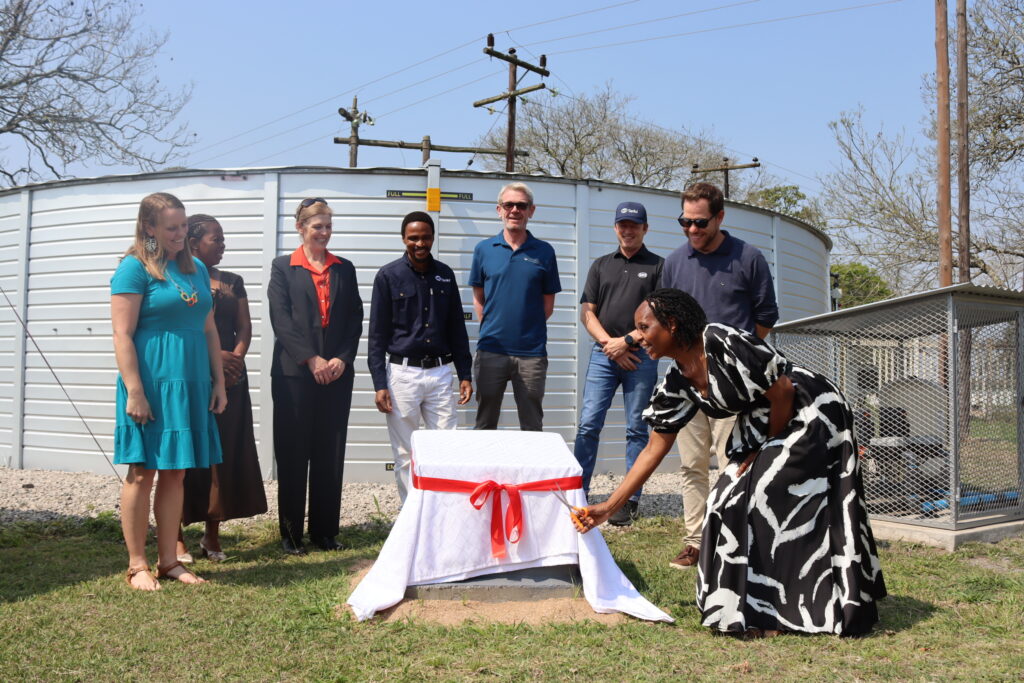
Quality does not stop when responsibility transfers to the client. Handover is also the point at which the owner needs to understand the routine inspection and maintenance requirements that protect long-term reliability.
For an SBS modular steel tank, there are no routine moving mechanical components within the tank structure that create a conventional planned critical-spares list. Maintenance is instead focused on periodic visual inspection, housekeeping, drainage and scour checks, and liner rinsing or cleaning where sediment or site conditions require it, in accordance with the applicable maintenance guidance.
Providing that information at handover creates a baseline. The client knows what ‘normal’ looks like, what should be inspected and when specialist input should be requested.
Before final acceptance, useful questions include:
A positive answer to these questions provides a much stronger basis for handover than simply confirming that erection has stopped.
SBS Tanks closes projects through final inspection, snag management, commissioning activities and project-specific handover documentation appropriate to the agreed scope. Manufacturing and installation records are linked to the final quality status so that outstanding issues can be addressed before operational acceptance.
The project team also provides the relevant maintenance guidance so that the client’s responsibility for the asset begins with a clear understanding of routine care after handover.
The objective is to hand over more than a standing tank. It is to hand over an asset with verified completion status, supporting records and a defined starting point for operation.
A water tank is not truly finished when the last panel is installed. It is finished when the completed work has been verified, required commissioning has demonstrated readiness, outstanding quality actions have been closed and the client has the records needed to accept and manage the asset.
Treating commissioning as a QC activity protects the final link in the project chain. It gives the installation team a structured opportunity to identify and correct issues before demobilisation and gives the client objective evidence for acceptance.
The best handovers are therefore planned from the beginning. When completion criteria, documentation and responsibilities are agreed early, the final transition from project to operation becomes a controlled process rather than a last-minute administrative exercise.
Contact SBS Tanks to discuss your project requirements and confirm the quality, inspection, documentation and installation approach appropriate to your project. [link to RFQ form]
SBS Tanks® is Africa’s leading manufacturer and supplier of modular steel panel water storage tanks fitted with internal liquid storage liners. With offices in Durban, Johannesburg and Cape Town, and ISO 9001 and ISO 45001 accreditation, SBS Tanks services clients across South Africa and the SADC region with engineered water storage tanks for municipal, mining, fire protection, commercial, industrial, agricultural and water conservation applications.
Contact one of our sales agents today or request a quote here.
The tank is ready when the agreed completion criteria have been met, required final inspections and commissioning are complete, relevant snags or non-conformances are closed, documentation is available and the authorised client representative can accept the asset.
Commissioning verifies the completed installation under defined conditions before normal operation. It can confirm aspects such as filling performance, leakage status, fittings and interfaces, depending on the project scope.
The record set depends on the contract and may include approved drawings, manufacturing or material records, inspection evidence, commissioning records, non-conformance closure, handover certificates and maintenance information.
A snag is generally an outstanding completion or correction item identified before handover. A formal non-conformance records a failure to meet a defined requirement and should be managed through the project’s quality process. Terminology can vary by contract.
The tank structure has no routine moving parts requiring a conventional planned critical-spares programme. Long-term care focuses on inspections, housekeeping, drainage or scour checks and liner cleaning where required, following SBS maintenance guidance.
© SBS Holdings 2026