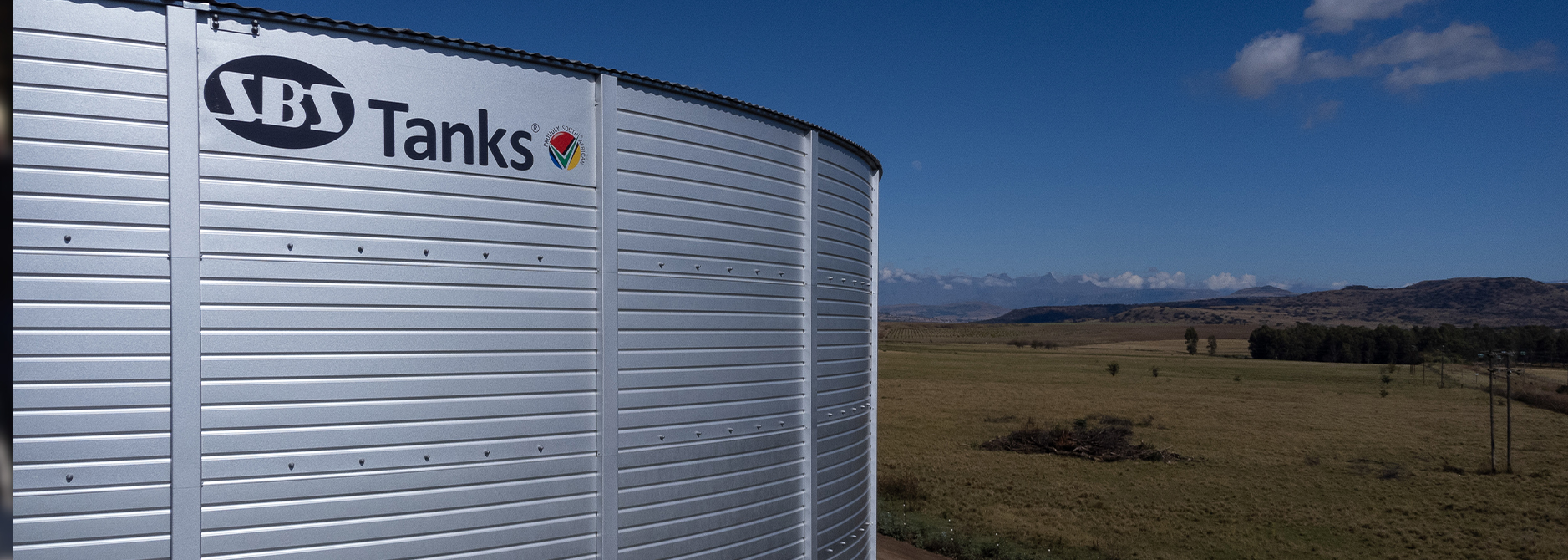

Large-scale steel tank installations require careful coordination between planning, logistics, installation methodology and SHEQ.
A recent SBS Tanks project demonstrated how integrating these disciplines from the outset can create a more controlled and predictable installation environment.
The project reinforced a fundamental principle: safe installation starts well before the first tank component is assembled.
The scale of the installation introduced additional considerations around material quantities, delivery and storage, access, working at height, installation sequencing and site coordination.
As the tank progressed through different levels and work areas, the installation environment continually changed. The challenge was therefore to maintain effective controls while keeping the project aligned with programme and operational requirements.
Before work commenced, the team considered site access, foundation readiness, material delivery, laydown areas, installation equipment, personnel competency, emergency arrangements and interfaces with other activities.
This helped establish the conditions required for a controlled installation before the team mobilised.
The project-specific risk assessment considered the actual installation environment and planned sequence of work.
Key considerations included material handling, working at height, equipment and tools, weather, housekeeping, access and changing site conditions.
The focus was not simply on completing documentation, but on ensuring that controls were understood and applied by the installation team.
The approved installation methodology established the sequence of work and the controls required at each stage.
Competent personnel and active supervision helped maintain the approved methodology, identify changing conditions and escalate issues where required.
Daily toolbox talks kept the team focused on the activities immediately ahead, reinforcing relevant hazards, controls, access requirements, housekeeping, equipment checks and changes to the work area.
A key lesson from the project was that SHEQ cannot be separated from engineering, logistics and project management.
Delivery schedules influence material movement. Material storage affects access. Installation sequence influences working height and interactions between people, equipment and materials.
By considering these factors together, the team maintained a practical connection between the planned methodology and conditions at the workface.
Where conditions changed, risks and controls could be reviewed before proceeding, providing a structured approach to change management.
The project represented a significant installation milestone for SBS Tanks and provided valuable experience in managing the SHEQ, logistical and operational considerations associated with large-scale steel tank installation.
The project reinforced several principles:
Ultimately, successful tank installation is about more than assembling the tank. The planning, preparation and controls established before and during installation provide the foundation for safe and predictable delivery.
This case study demonstrates how SBS Tanks integrated SHEQ, planning, logistics and installation methodology during a large-scale steel tank installation. Early site planning, site-specific risk assessments, controlled installation sequencing, competent supervision and daily toolbox talks helped maintain a structured approach to safety and project delivery.
Why is SHEQ planning important for large-scale tank installation?
SHEQ planning identifies site-specific risks, establishes appropriate controls and ensures that safety is integrated into the installation methodology before work begins.
What needs to be considered before tank installation?
Key considerations include site access, foundation readiness, material delivery and storage, installation equipment, personnel competency, emergency arrangements and interfaces with other site activities.
Why is installation sequencing important?
The installation sequence affects access, working height, material movement and interactions between people, equipment and materials. A defined sequence helps ensure that appropriate controls are applied at each stage.
How do toolbox talks support tank installation?
Daily toolbox talks keep the installation team focused on the activities immediately ahead and provide an opportunity to reinforce hazards, controls, equipment requirements and changes to site conditions.
How does supervision contribute to safe tank installation?
Competent supervision helps maintain the approved installation methodology, identify changing conditions and ensure that issues are addressed before they affect the work.
Why should SHEQ be integrated with project planning?
Engineering, logistics, programme and installation decisions can all influence risk. Integrating SHEQ into these areas helps ensure that safety controls remain practical and relevant throughout the project.
© SBS Holdings 2026