
The safest installation day is usually the result of decisions made days or weeks earlier. By the time an installation crew reaches site, many of the conditions that will influence risk have already been set: access, foundation readiness, delivery sequence, work area, interfaces with other contractors, lifting arrangements, programme pressure and the quality of the information issued to the team.
This is why effective SHEQ planning cannot be reduced to completing a safety file shortly before mobilisation. Documentation is important, but it should record and communicate the controls created through proper planning. The real objective is to understand the work, identify the hazards, define a controlled method and ensure competent people have the resources, information and authority to execute it safely.
For water tank installations, that planning must also recognise that sites differ. A method that is suitable on an open municipal site may need additional controls inside an operating mine, industrial facility, food plant or constrained commercial development.
Mobilisation should be the point at which an agreed plan is put into action, not the point at which the project team starts discovering basic site conditions. Before the crew travels, the contractor and client teams should confirmthe scope, access, work area, foundation status, delivery arrangements, site rules, permit requirements and other project interfaces that may affect the installation sequence.
This early review also creates an opportunity to identify conflicts. Is another contractor using the same access route? Will stored materials block the working area? Has the ring beam or foundation been formally released? Are overhead services, excavations or operational traffic present? Does the site impose special induction, medical, PPE or permit requirements?
Finding these issues before mobilisation protects both safety and programme. A crew waiting on site for access or foundation correction can be exposed to pressure to ‘make a plan’, which is exactly when informal changes, rushed decisions and unnecessary risk can enter the work.
A risk assessment should describe the hazards of the actual work in the actual environment. Generic risk registers can provide a starting point, but they cannot account for every site condition, interface or change.
A useful site-specific risk assessment considers the task sequence, people exposed, equipment, work at height, manual handling, stored energy, lifting or jacking activities, weather, access, housekeeping, nearby operations and emergency arrangements. It should also consider simultaneous activities and interfaces with other contractors. Controls should be defined using an appropriate hierarchy, prioritising elimination or reduction of the hazard where practicable before relying primarily on administrative controls or PPE
The assessment should also be understood by the people doing the work. A technically complete risk assessment that remains unread in the SHEQ file has limited practical value.
A method statement turns the scope into an agreed sequence of work. It describes how the installation is intended to proceed, what resources are required and equipment are required, where critical controls apply, and who is responsible for key activities.
For modular tank installation, the method can cover component handling, assembly sequence, access, jacking or lifting where applicable, roof and shell work, liner installation, fitting installation, inspections and demobilisation. Project-specific requirements should be incorporated rather than relying on a generic sequence that ignores the site.
Method statements are important because sequence affects risk. Changing the order of work can change working heights, stability, access and the interaction between people and equipment. A method statement therefore supports both consistency and change control. If the planned method cannot be followed, the team should assess the change before simply improvising.
A safe method is only effective when the people applying it are competent for their roles. Competence includes appropriate training, knowledge of the product and method, experience, understanding of the risks and the ability to recognise when conditions are outside the approved plan.
Project and legal requirements may also require formal appointments, authorisations or proof of competence for supervisors and specialised activities. These should be verified before mobilisation so that reaponsibilities, reporting lines and authority to stop work are clear on site.
Supervision is particularly important during non-routine stages and when site conditions change. The supervisor must be able to stop work, escalate issues and prevent programme pressure from overriding the agreed controls.
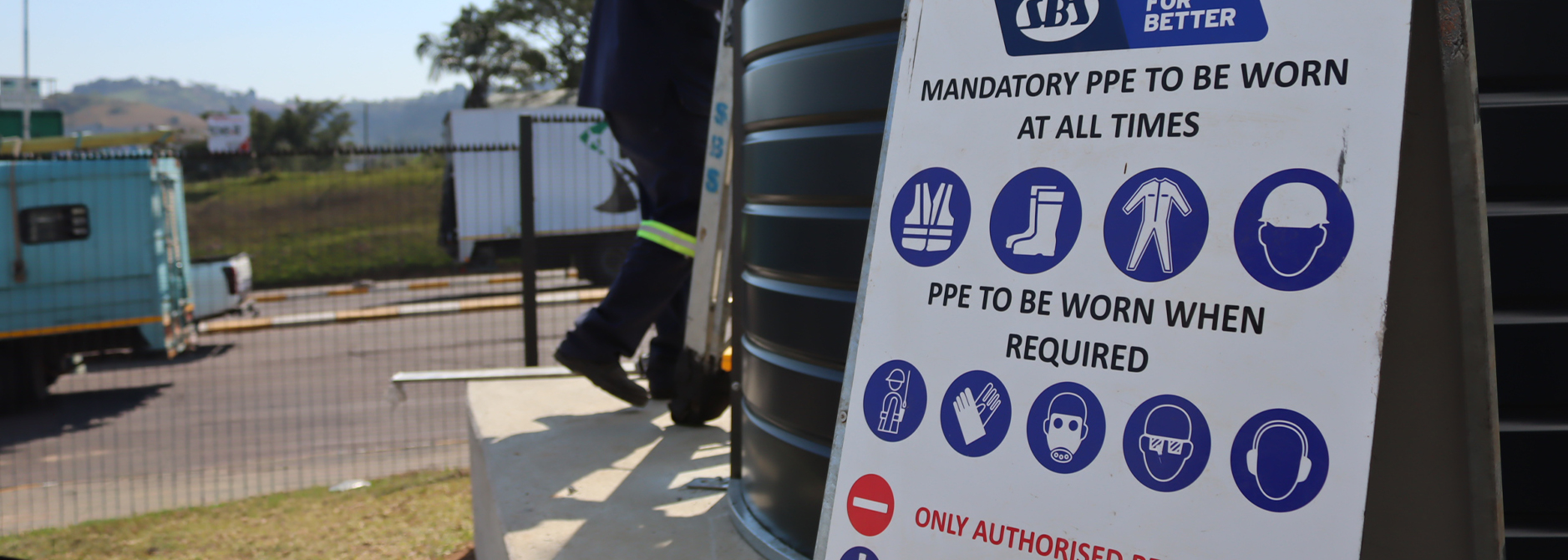
Different sites impose different access and permit requirements. Construction sites, mines, factories and operational facilities may each require specific inductions, work permits, PPE standards, environmental controls, emergency procedures or interface rules.
The SHEQ file provides the structured record that those requirements have been addressed. Depending on the project, it may contain policies, appointments, competencies, risk assessments, method statements, inspection records, permits, emergency information and other client or legal documentation.
The file should support the work rather than exist separately from it. If the method statement says one thing but the team is working another way, the documentation is no longer controlling the activity. Any material deviation should be assessed, communicated and approved through the project’s change-control process before work proceeds.
Toolbox talks are useful because risk is not static. Weather changes, deliveries arrive, other contractors move into the area, equipment conditions change and the task progresses from one stage to another.
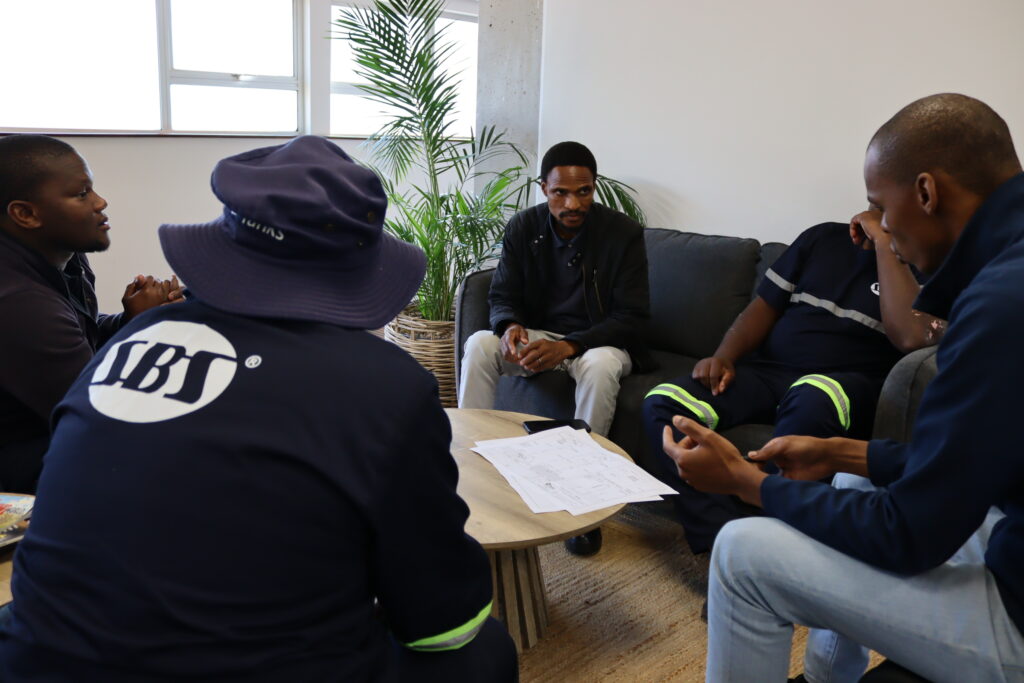
A good toolbox talk focuses on the work immediately ahead: what is changing today, which hazards are most relevant, what controls must be maintained, and what the team should do if conditions differ from the plan. It also gives workers an opportunity to raise practical concerns from the workface.
Where a significant new hazard or change is identified, a toolbox talk alone may not be enough. The risk assessment, method statement or permit may need to be reviewed before work continues.
Foundation and work-area readiness are often discussed as programme issues, but they are also safety issues. An incomplete or non-compliant base can force installers into rework or temporary arrangements. Poor access can increase manual handling. Congested laydown areas can create trip, vehicle and material-handling hazards.
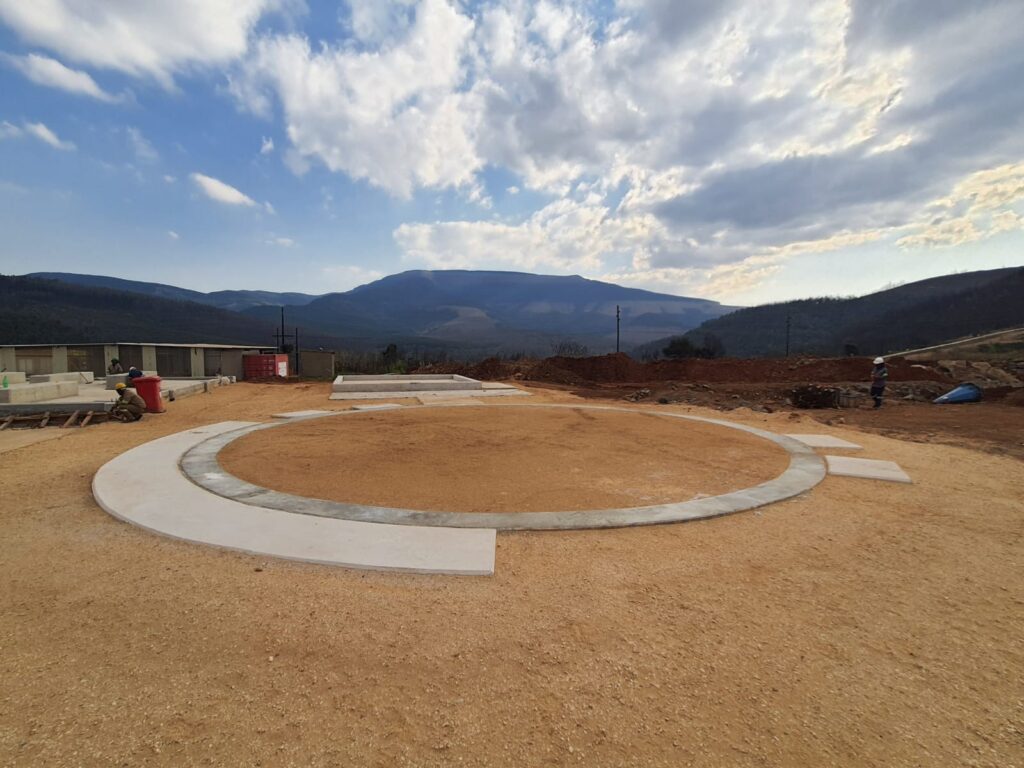
Before mobilisation, project teams should therefore confirm the physical conditions needed for safe execution: foundation readiness and release, suitable access, sufficient work space, delivery and laydown areas, interface boundaries, electrical supply where required, housekeeping arrangements and other agreed prerequisites.
This is one reason close coordination between project management and SHEQ matters. Safety cannot be planned independently of logistics and programme.
SHEQ controls become most effective when they influence the project plan rather than merely audit it. Sequencing, delivery dates, contractor interfaces, site access and change management all affect exposure to risk.
Project managers need visibility of critical safety prerequisites, while SHEQ professionals need visibility of programme changes that may alter the method or work environment. Daily coordination, clear escalation routes and joint inspections help prevent gaps between what has been planned and what is happening on site.
This integrated approach is consistent with ISO 45001’s emphasis on systematic OH&S management. The standard provides a management-system framework; site-specific planning is where those principles are translated into practical controls at the workplace.
SBS Tanks manages installation activities through its ISO 45001 health and safety management system, supported by project-specific risk assessments, approved method statements, site inductions, competent installation teams and the SHEQ documentation required for the project.
Before work starts, site readiness and installation prerequisites are reviewed so that the planned method can be executed in the available environment. Daily task communication and supervision then keep the controls aligned with the work as the tank progresses.
The aim is not simply to arrive on site with a complete file. It is to arrive with a workable plan, a competent team and a clear understanding of how the tank will be installed safely.
Good SHEQ planning happens before the first component is assembled. It connects site readiness, risk assessment, method, competence, documentation, supervision and project coordination into one practical system of control.
For safety officers and project managers, the most useful question is not ‘is the SHEQ file complete?’ but ‘does the team understand and have the conditions needed to execute the approved method safely?’ The paperwork should provide evidence of that planning, not replace it.
When SHEQ is integrated with engineering, logistics and programme from the beginning, it reduces uncertainty on site and gives the installation team a stronger basis for safe, predictable delivery.
Contact SBS Tanks to discuss your project requirements and confirm the quality, inspection, documentation and installation approach appropriate to your project.
SBS Tanks® is Africa’s leading manufacturer and supplier of modular steel panel water storage tanks fitted with internal liquid storage liners. With offices in Durban, Johannesburg and Cape Town, and ISO 9001 and ISO 45001 accreditation, SBS Tanks services clients across South Africa and the SADC region with engineered water storage tanks for municipal, mining, fire protection, commercial, industrial, agricultural and water conservation applications.
Contact one of our sales agents today or request a quote here.
Requirements vary by site, but commonly include project-specific risk assessments, method statements, competencies or appointments, induction evidence, permits and other client or legal documentation required in the site SHEQ file.
Generic information cannot capture all site-specific hazards and interfaces. The assessment should reflect the actual work area, task sequence, equipment, access, other contractors and changing site conditions.
A method statement defines the planned sequence, resources, responsibilities and controls for completing the work. It helps the team execute consistently and provides a basis for managing changes to the method.
Frequency should match the project and site requirements. They are particularly useful before new tasks, when conditions change or when specific hazards need to be reinforced. They do not replace formal reassessment when a material change occurs.
Site access, foundation readiness, work and laydown areas, interfaces, logistics, permits, project information, competencies and site-specific safety requirements should all be confirmed before mobilisation.
© SBS Holdings 2026