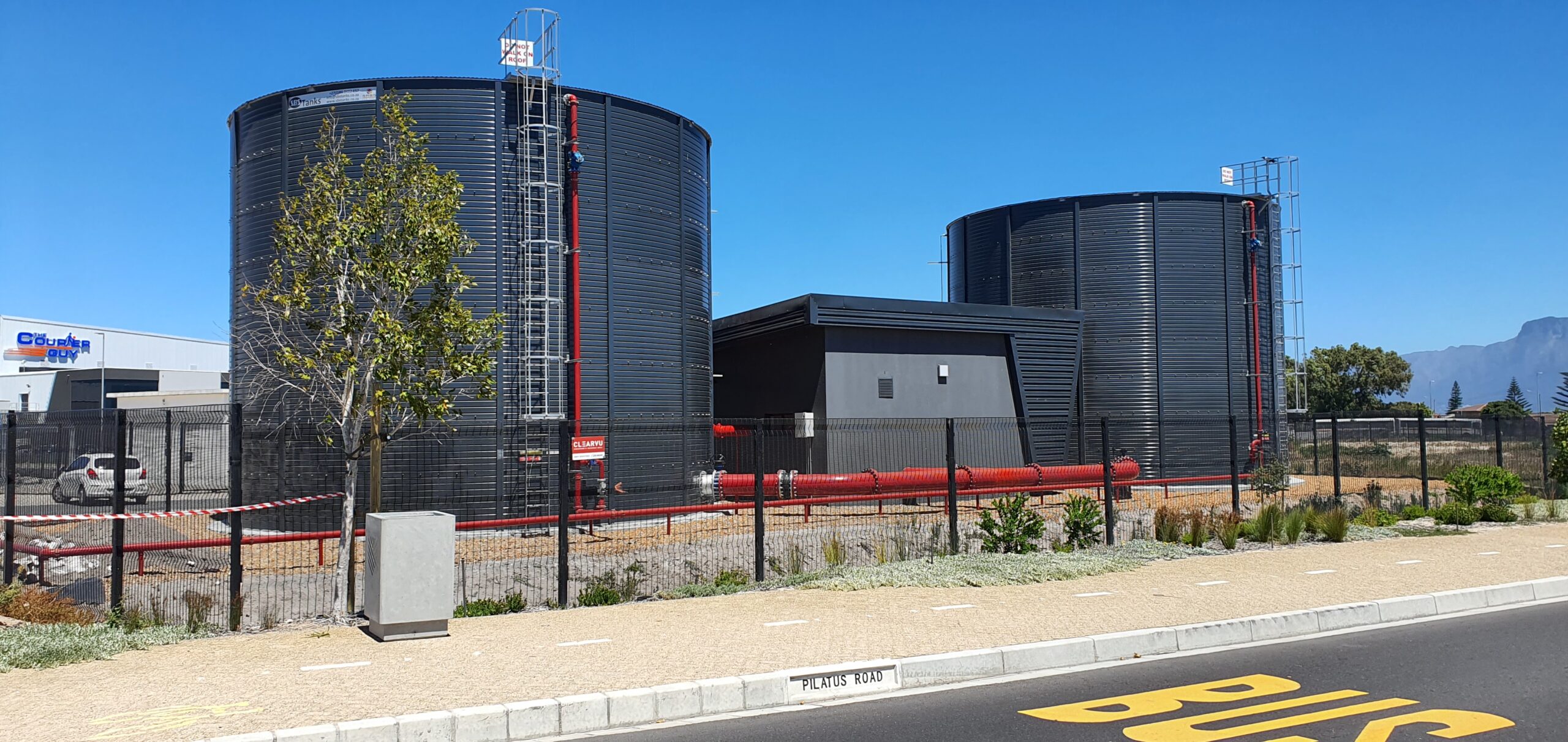

Water storage capacity calculation is one of the most important early decisions in any water infrastructure project. The required storage volume influences hydraulic performance, capital expenditure, constructability, maintenance requirements and future system expansion. Whether designing municipal reservoirs, mining process water systems, fire protection infrastructure or industrial storage facilities, defining the correct engineering parameters at the earliest stage is critical to long-term performance.
One of the most common misconceptions in water infrastructure projects is that storage capacity can be determined by selecting a required volume and matching it to a standard tank size.
In reality, reservoir sizing is governed by hydraulic and operational criteria including:
A municipal balancing reservoir, for example, will be sized differently from a dedicated fire protection tank or a mining process water installation, despite potentially having similar storage volumes.
The objective is not simply to provide storage capacity, but to ensure the storage asset performs its intended operational function within the broader water system.
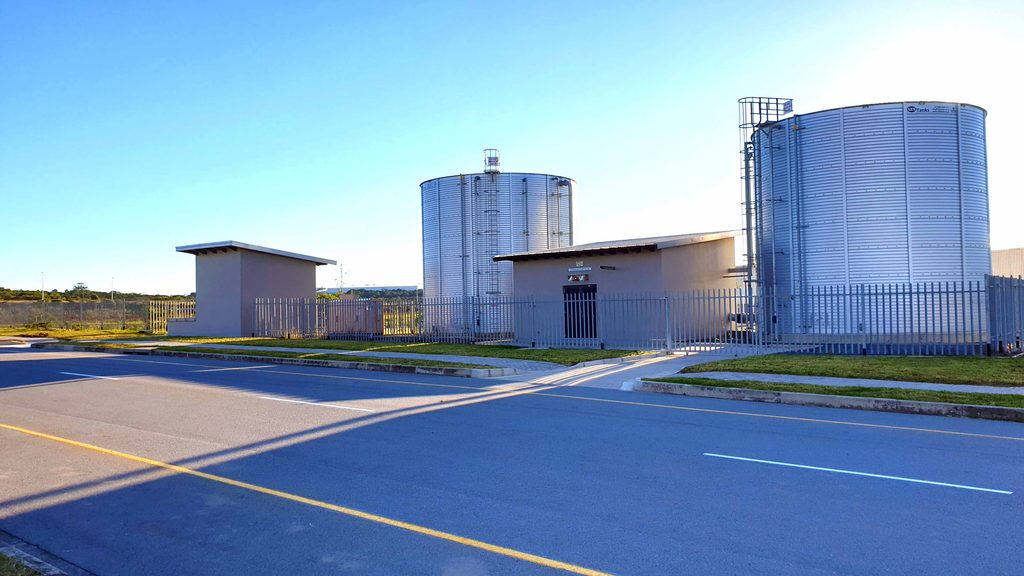
Many storage projects only engage tank suppliers once tender documentation has been issued.
By this stage, opportunities to optimise constructability, improve layouts or reduce project risk may already have been lost.
Early technical engagement allows project teams to assess:
At SBS Tanks, engineering reviews are often undertaken during concept development to identify potential design constraints before they impact project schedules or construction costs.
Storage infrastructure should never be selected independently of the surrounding system.
Typical design inputs include:
Failure to adequately define these parameters can result in oversized infrastructure, insufficient reserve capacity or costly redesign during later project phases.
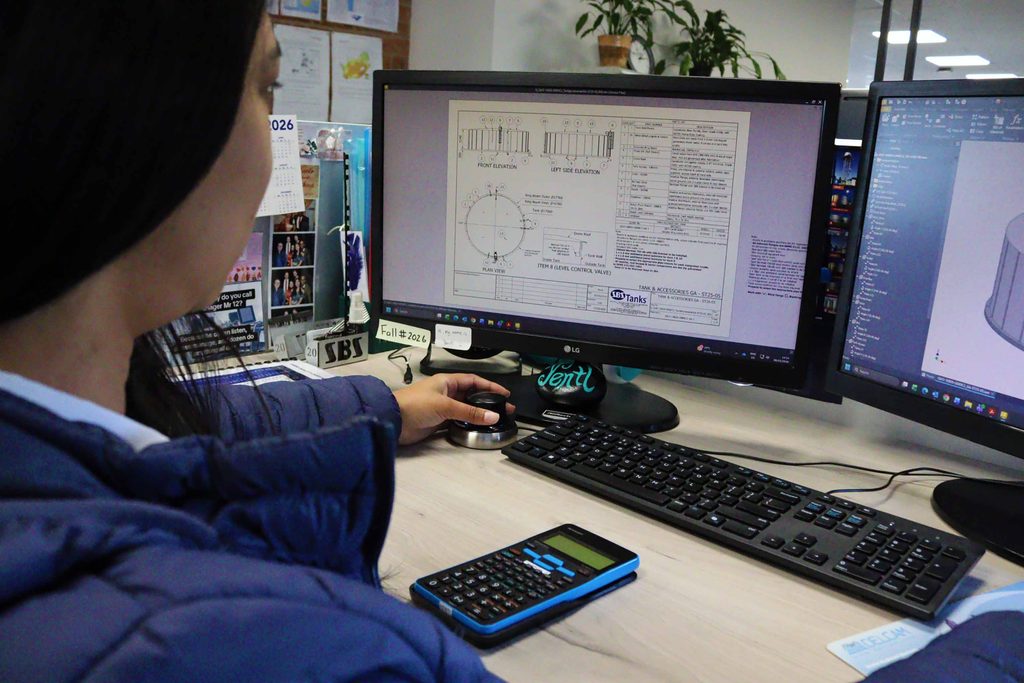
General Arrangement (GA) drawings play a critical role in multidisciplinary project coordination.
Beyond illustrating tank dimensions, GA drawings assist with:
On large infrastructure projects, early review of GA drawings frequently reduces Requests for Information (RFIs), site modifications and programme delays during construction.
For this reason, GA drawings form a key component of the SBS engineering review process, helping project teams identify potential conflicts before manufacturing and site works commence.
Recurring design issues encountered on water storage projects include:
While often viewed as minor design considerations, these issues frequently result in cost escalation, programme delays and operational inefficiencies.
Modern water storage infrastructure requires integration between hydraulic, civil, structural and mechanical disciplines.
At SBS Tanks, engineering involvement extends beyond tank supply to include concept reviews, design coordination, manufacturing support, logistics planning, installation support and commissioning activities.
The objective is to develop storage infrastructure that is not only structurally sound, but also constructible, maintainable and aligned with the operational requirements of the asset owner.
Ultimately, successful water storage projects are defined less by the tank selected and more by the quality of the engineering decisions made before construction begins.
Water storage capacity should not be determined solely by volume requirements. Effective tank selection requires consideration of hydraulic demand, emergency reserves, fire protection requirements, future expansion, geotechnical conditions, environmental loading, maintenance access and constructability. Early engagement between consulting engineers and specialist tank suppliers can reduce project risk, improve design efficiency and optimise lifecycle performance. General Arrangement drawings, engineering reviews and concept-stage technical input are critical tools for successful water storage infrastructure delivery.
Storage capacity is typically determined using demand analysis, reserve requirements, fire flow requirements, source reliability, operational considerations and future growth projections rather than simply selecting a desired volume. Pipework sizes, valve choice, dead water, and freeboard
Typical inputs include required storage volume, hydraulic flow rates, site conditions, access constraints and future expansion requirements.
Early technical engagement can identify constructability challenges, optimise tank configuration, improve coordination between disciplines and reduce project risk before construction begins.
GA drawings help identify interface conflicts, access issues, nozzle locations and foundation requirements before manufacturing and construction activities commence.
One of the most common mistakes is designing only for current demand without adequately considering future growth, operational changes or expansion requirements.
© SBS Holdings 2026