
SBS fabricates structural components from approved engineering drawings, including single-span roof trusses, open-top ring structures and elevated supports. Clear-span roof trusses remove the need for a central roof-support column in the stored liquid, improving internal accessibility and reducing one potential corrosion exposure.
When looking up inside an SBS steel water tank, you will be surprised: the roof structure is fully self-supported without a central column rising out of the stored water. That clear-span roof system begins long before installation even starts: with structural design, Finite Element Analysis (FEA), engineering drawings and the steel trusses manufactured to bring them to life.
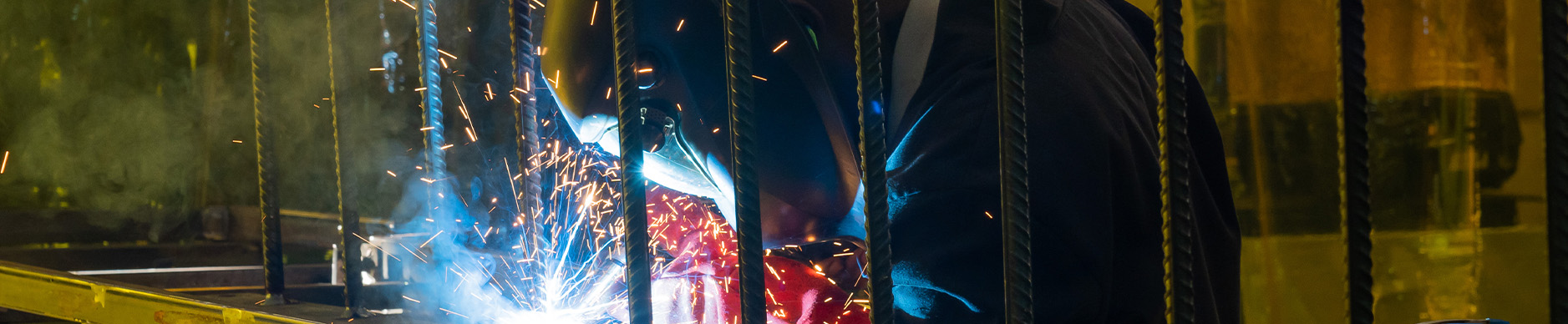
In SBS Tanks’ Fabrication department, lengths of black steel are measured, cut, positioned and welded into roof finished trusses, ring structures and elevated support components. The work is about more than producing a strong-looking assembly. Each component must perform a structural function in the tank for which it was designed.
Typical roofs utilise a central roof support column which stands inside a water tank. Central columns create an obstacle during liner installation inspection and cleaning, and involves structural material being exposed to the stored liquid. SBS’s clear-span, self-supporting roof design avoids the need for such internal roof-support columns.
Instead, engineered steel trusses span the tank diameter and support the roof cover without the need for a centre post. That gives operators a less obstructed interior and removes potential internal corrosion and maintenance. It is a practical benefit of structural design, not simply an architectural preference.
The engineering determines how the trusses carry loads, including the effects of wind and the roof’s own weight. SBS’s applicable structural design work references SANS 10160 for structural actions and SANS 10162 for steel structures. On the factory floor, those calculations become specified steel members, connection details and manufacturing instructions.
Fabrication starts with approved drawings, job-specific manufacturing instructions and steel, grade and section type selected for the component’s structural requirements. Unlike the pre-coated G300 AZ150 Galvalume wall panels explored in week 2, fabricated assemblies may begin as uncoated carbon steel – often called black steel – with the specified grade and section size.
Material certificates and incoming-material quality checks help verify that the steel supplied matches the specification. The manufacturing inspection plan also calls for drawing approval, welding qualifications and ongoing checks against approved drawings. These QMS controls verify what the engineer specified to what the workshop actually makes.
On the workshop floor, lengths are measured, cut and brought into position. Fillet welds join members where surfaces meet; butt or groove welds join prepared edges with the weld type and preparation determined by the component design.
The difference between a set of steel sections and a functional truss is the accuracy of those welded connections. The assembled members must carry loads together, not merely look like the drawing. To ensure quality control, non-destructive testing such as dye-penetrant examination can help reveal surface-breaking weld defects without damaging the component and are regularly undertaken by SBS.
A Standard, Cyclonic or Lite SBS Tank needs a roof support system appropriate to its engineered configuration. SBS’s dome roofs use high-strength G550 Galvalume roof sheeting with an AZ150 protective coating over the fabricated, galvanised truss structure. The sheeting and trusses do different jobs: one covers the tank, while the other supports the roof, but together they work to deliver the final self supporting roof system.
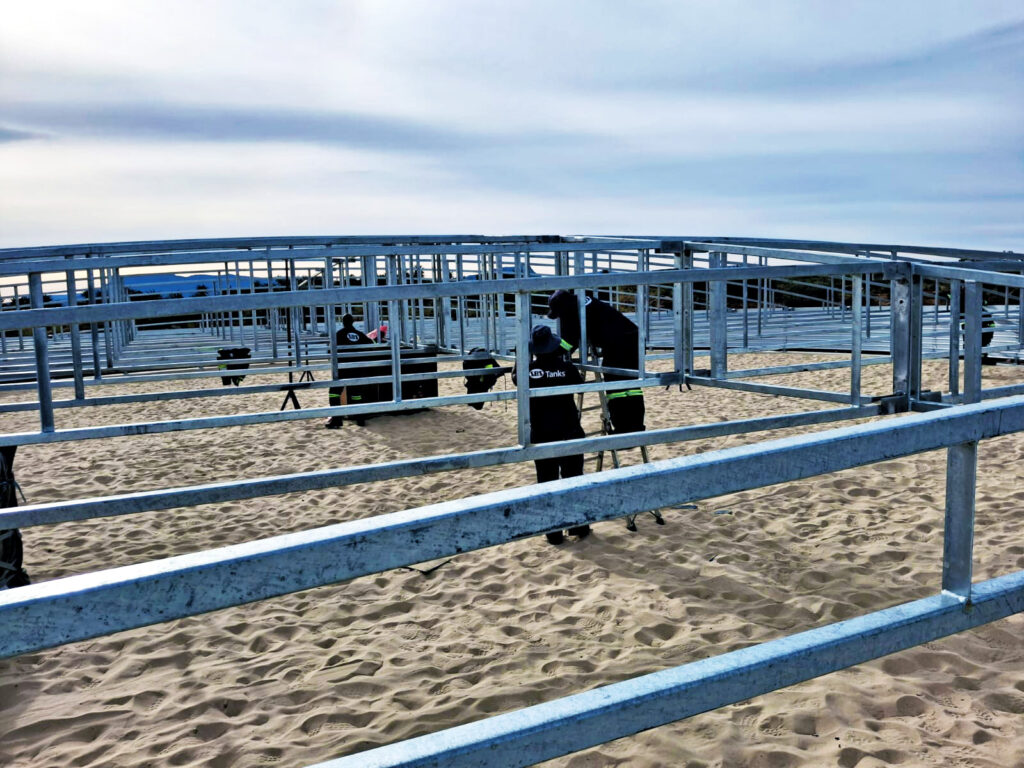
An open-top tank may instead require an engineered ring-truss arrangement. Such configurations are relevant where process access or treatment activities make an ordinary enclosed roof unsuitable, including selected wastewater and industrial applications.
Elevated tanks present another fabrication opportunity. Columns, beams and bracing become a supporting steel framework that raises the tank above ground level, where the arrangement can provide gravity-fed supply requirements. Different applications, but one underlying principle: manufacture the structure that the intended duty requires.
A fabricated steel component must withstand the environment in which it will finally operate. SBS hot-dip galvanises its roof trusses after fabrication, coating the finished steelwork with protective Zinc. All SBS specified hot-dip galvanised fabricated components comply with the requirements of SANS 121 and ISO 1461. The galvanising service providers are SABS approved to meet these standards.
This is different from the Aluminium-Zinc (AZ) Galvalume coating applied to the tank wall panel and roof sheet material during original production.. For particularly demanding coastal or industrial environments, additional formulated protective coatings can be considered to suit the environmental exposure conditions.
For the owner, corrosion protection is part of the long-term value of the asset. Strength matters on installation day; the durability of the structure matters for many years afterwards.
Because the finished structure contributes to more than whether the tank stands upright. A single-span roof avoids submerged internal support columns. Correctly manufactured trusses and bracing translate engineering requirements into the physical support the tank needs. Specified materials, strict welding procedures and proven protective finishes contribute to structural performance and reduced maintenance requirements.
Next time you see a roof truss on a fabrication work bench, consider its future position above millions of litres of stored water. What looks like separate lengths of steel is becoming the framework that helps keep the tank covered, accessible and serviceable.
It is a roof structure engineered to span the tank without requiring an internal central roof-support column.
The zinc coating protects the fabricated steel against corrosion in the intended exposure conditions.
No. Their steel sections, geometry and connections vary with the engineered configuration and applicable loads.
Applicable SBS projects can include ring-truss arrangements for open tanks and supporting steelwork for elevated tanks.
© SBS Holdings 2026